
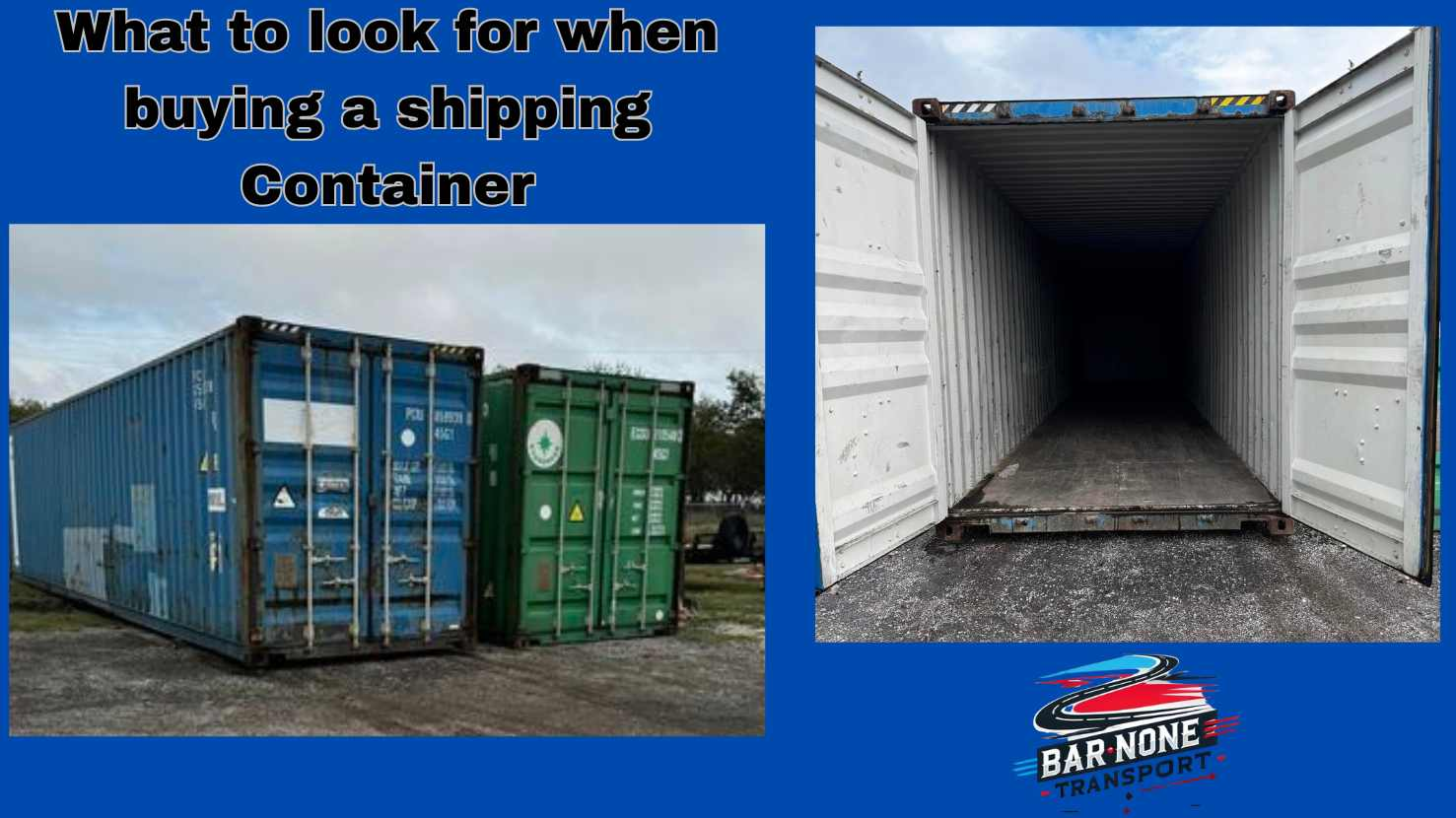
When your business needs storage or transportation solutions, shipping containers provide versatile and durable options that can adapt to various operational demands. The decision between purchasing and leasing these industrial assets represents more than just a financial calculation, it’s a strategic choice that ripples through your company’s cash flow, operational flexibility, and long-term planning. Getting this decision right means aligning your container needs with realistic business goals, actual budget parameters, and day-to-day operational requirements. Whether you’re managing a manufacturing facility, running a retail operation, overseeing agricultural activities, or working in any industry that demands secure storage, this choice will shape your operational efficiency for years ahead.
Financial Implications and Upfront Costs
The most striking difference between buying and leasing a shipping container shows up immediately in what you’ll need to pay upfront. Purchasing a container means committing to a substantial initial investment, prices shift based on size, condition, and any modifications you need, typically running from several thousand dollars to well into the tens of thousands depending on your specifications. This capital expenditure demands either accessible cash reserves or financing arrangements that lock your business into debt obligations. Leasing arrangements flip this equation entirely, requiring minimal initial costs beyond a security deposit and that first month’s payment, which keeps your working capital available for other business priorities.
Flexibility and Commitment Duration
Business needs don’t stand still, and having the flexibility to adjust your resources accordingly can make the difference between staying competitive and falling behind. Leasing shipping containers delivers exceptional flexibility because you can scale your inventory up or down based on seasonal patterns, specific project requirements, or business expansion without getting locked into owned assets that might not fit tomorrow’s needs. When a project wraps up or your storage requirements decrease, you simply return the leased container without the headache of trying to resell it or figuring out disposal. This arrangement works particularly well for businesses dealing with fluctuating demand patterns or those exploring new markets before committing to permanent infrastructure investments. Purchasing containers creates a fixed asset that your business owns indefinitely, which serves you well when you have stable, predictable long, term needs but reduces your options when circumstances shift. For businesses requiring specialized chemical storage or liquid transport capabilities, professionals who need to safely store and transport bulk liquids often consider quality ISO tanks for sale alongside standard container options to meet specific regulatory and operational requirements. Ownership means you’re responsible for that container throughout its entire lifecycle, maintenance, repairs, and eventually figuring out disposal or resale when it no longer serves your purposes. The commitment to ownership makes practical sense when you’re confident about predictable, ongoing needs that justify the investment and when having complete control over modifications and usage matters to your operations. Your decision should honestly reflect how certain you are about your long-term container requirements and how much operational flexibility genuinely matters to your business model.
Maintenance Responsibilities and Asset Management
Who’s responsible for keeping shipping containers in working condition differs dramatically between ownership and leasing arrangements, and these differences affect more than just who makes repair calls. When you purchase a container, you’re taking on full responsibility for all maintenance, repairs, structural integrity issues, and compliance with relevant safety standards throughout its operational life. You’ll need to budget for unexpected repairs, schedule routine inspections, apply weatherproofing treatments, and handle any modifications necessary to keep the container functional and secure. This ownership burden extends to managing depreciation, tracking the asset on your balance sheet, and dealing with disposal challenges when the container reaches the end of its useful life.
Tax Implications and Accounting Treatment
The tax and accounting treatment of shipping containers varies considerably depending on whether you buy or lease them, creating real effects on your business’s financial reporting and ultimate tax liability. Purchased containers become capital assets on your balance sheet, qualifying for depreciation deductions that spread over their useful life according to IRS guidelines for business property. You might qualify for Section 179 deductions that allow immediate expensing of qualifying equipment purchases up to specified limits, potentially delivering significant tax advantages during the acquisition year. Ownership also builds equity in an asset that contributes to your company’s net worth and can even serve as collateral for future financing needs if circumstances require it.
Customization and Modification Options
Your ability to customize and modify shipping containers to meet specific business requirements represents another critical distinction between buying and leasing that can affect operational efficiency. Owned containers grant you complete freedom to make any modifications you deem necessary, from installing shelving and lighting systems to cutting openings for windows, doors, or specialized ventilation requirements. You can paint, brand, or structurally alter your containers without seeking anyone’s approval, tailoring them precisely to your operational needs and whatever aesthetic preferences matter to your business. These modifications increase both the utility and value of your investment while creating specialized assets that support unique business processes other companies can’t easily replicate.
Conclusion
Deciding between buying and leasing shipping containers for business use demands careful analysis of your financial capacity, genuine operational needs, and realistic long-term strategic direction. Purchasing provides ownership benefits, complete customization freedom, and potential long-term cost savings that serve businesses with stable, predictable container requirements and available capital to deploy. Leasing offers operational flexibility, preserved working capital, and reduced maintenance headaches that benefit businesses with fluctuating needs, tighter budgets, or uncertain long-term requirements they’re still figuring out. Your choice should align with your actual business model, current financial situation, and honest growth projections while weighing factors like tax implications, maintenance capabilities, and how much customization you genuinely need.
