
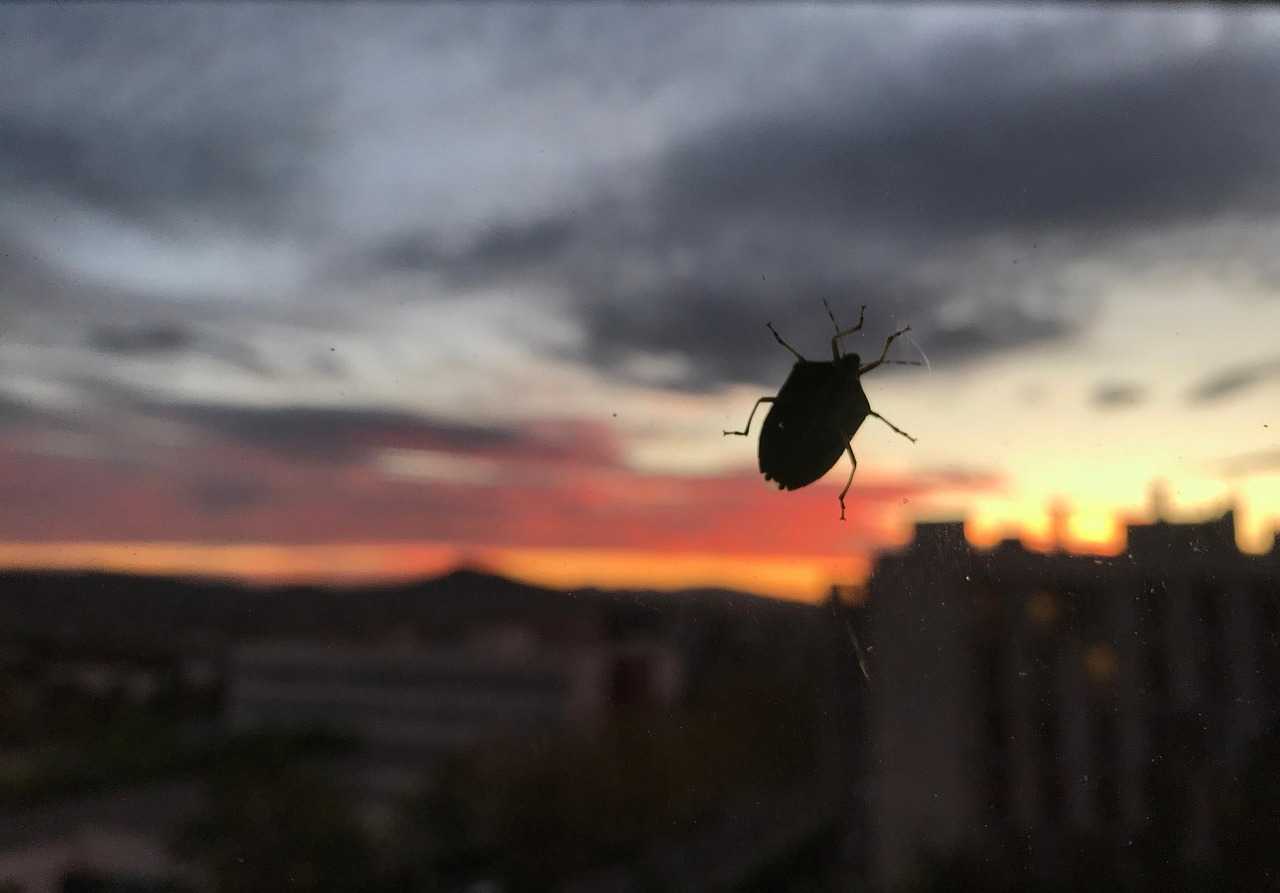
You don’t have to live in a messy house for pests to show up. Ants, roaches, spiders, and mice are great at finding food, water, and cozy hiding spots in normal homes. As the weather shifts, they start scouting like tiny, unwanted real estate agents. The tricky part is that early signs are easy to miss. A few crumbs here, a damp corner there, and suddenly your home feels less peaceful. In Midlothian, where warm, humid summers and mild winters create favorable conditions for many common household pests, staying ahead of small problems can help prevent larger infestations later in the year.
Why prevention matters
Pests usually don’t appear out of nowhere. They follow easy meals, moisture, shelter, and changes in temperature. When it gets hotter, colder, or wetter outside, your home starts looking like a five-star bug hotel.
The first warning signs are often subtle. You might spot one ant on the counter, hear scratching in a wall at night, or notice tiny droppings near a baseboard. It’s easy to shrug these off, especially when life is busy and laundry is staging a hostile takeover.
If the same signs keep popping up, that’s usually when outside help makes sense. For example, if you’re dealing with recurring activity and want a clearer plan, looking into pest control services in Midlothian, VA can be a practical step. Prevention works best when you catch problems before they become roommates.
Watch entry points
Most pests get inside through boring little gaps you barely notice. Think spaces under doors, tears in window screens, openings around pipes, dryer vents, garage edges, and cracks in the foundation. To a mouse or roach, that tiny gap is basically a welcome mat.
Start with a quick walk around your home. Check if exterior doors close tightly and whether weather stripping is worn down. Look at window screens for holes, especially near corners. Peek around utility lines under sinks and behind appliances where pipes enter the wall.
Garages are common trouble spots because they open often and store lots of hiding places. If you rent, you may not be able to fix every crack yourself, but you can still report issues and use draft blockers where allowed. Small repairs now can save you from much bigger pest headaches later.
Rethink kitchen habits
Kitchens are prime pest territory because they offer snacks, water, and hiding places all in one room. Ants love crumbs and sticky spills. Roaches go for grease, pet food, and even cardboard. Pantry pests are happy to move into flour, cereal, rice, and pasta if packages aren’t sealed well.
You don’t need a spotless showroom kitchen. You just need fewer easy rewards. Wipe counters at the end of the day. Sweep around the toaster, fridge, and stove where crumbs like to play hide-and-seek. Store dry goods in sealed containers if possible, especially once a package is opened.
Don’t leave pet food out overnight if pests are already an issue. Rinse recycling before tossing it in the bin, and keep an eye on fruit bowls. One overripe banana can become a fruit fly party faster than you’d think. Simple habits beat dramatic deep cleans you never want to repeat.
Tackle moisture issues
Cleanliness matters, but moisture is often the real VIP pass for pests. Many insects need water just as much as food. Damp basements, dripping pipes, bathroom humidity, and clogged gutters can all attract trouble.
Start indoors by checking under sinks, behind toilets, near washing machines, and around water heaters. Even a slow drip can create a steady water source. Use a bathroom fan during showers and crack a window if you can. In basements, a dehumidifier can help if the air feels sticky or smells musty.
Outside, clogged gutters can overflow and leave damp areas near the foundation. That moisture can invite insects closer to the house. Fixing leaks and drying out problem areas may not feel exciting, but it works. Pests love moisture because it helps them survive, breed, and settle in without paying rent.
Clean up the yard
What happens outside your home often decides what wanders inside. Overgrown shrubs, leaf piles, stacked firewood, and standing water all create shelter or breeding spots. If branches touch your roof, some pests treat them like a bridge to the attic.
Trim bushes so they don’t press against siding. Keep mulch from piling too high near the foundation. Store firewood away from the house and off the ground if possible. Dump out standing water in buckets, toys, planters, or birdbath edges after rain.
Fall leaves can trap moisture, while spring growth can hide nests and insect activity. Summer brings standing water and fast breeding cycles. Winter pushes rodents toward warmth. Every season has its own pest plot twist, so a little outdoor upkeep goes a long way. Your yard doesn’t need to look perfect, just less inviting.
Store smarter indoors
Pests love forgotten storage because it gives them darkness, clutter, and time. Closets, attics, garages, and pet areas often hold cardboard boxes, old fabric, holiday decorations, and random stuff nobody has touched since the dinosaurs had coupons.
Cardboard is especially attractive because it offers both shelter and chewable material. Plastic bins with tight lids are a better choice for long-term storage. Wash clothing, blankets, and pet bedding before storing them, and avoid leaving fabric in damp corners.
In garages and utility areas, keep items a little off the floor when possible. Don’t let bags of pet food sit open in the original paper sack for months. Check holiday decorations before bringing them back inside, especially if they’ve been in an attic or shed. When storage is neater and drier, pests have fewer places to hide.
Know when to act
Sometimes prevention is enough. You seal a gap, fix a leak, clean up crumbs, and the problem fades away. That’s the ideal outcome. But some signs suggest the issue is bigger than a one-time cleanup.
Pay attention to recurring droppings, chewed food packaging, damaged wires, nests, insect wings, bite patterns, or repeated sightings in the same area. One random bug may be nothing. A steady pattern usually means there’s a source nearby.
The goal isn’t to panic every time you see a spider doing quality control in the corner. It’s worth noticing when normal prevention stops working. If signs keep returning, acting sooner is usually easier, cheaper, and less stressful than waiting. A calm, practical response beats guesswork every time, and it helps you keep your home feeling like yours again.
